

Launching a streaming channel gives you a direct way to bring your programming to audiences across the devices they already use. But a successful channel takes more than an app and a collection of videos. You need a clear audience, content you have the rights to distribute, dependable delivery, and a plan to keep viewers coming back.
Whether you’re a creator, sports organization, media company, radio station, or business, avoiding a few common mistakes can make your launch more focused and sustainable. Here are seven pitfalls, and how to fix them.
1. Trying to reach everyone
A channel for “anyone who likes video” gives viewers no clear reason to choose it. Without a defined audience, it’s also harder to select programming, shape your brand, or make marketing relevant.

How to fix it: Start with a specific audience and a clear programming promise. Define who you serve, what they want to watch, and why they’ll return. That might mean live coverage for fans of a particular sport, educational programming for a professional community, or a curated collection for a distinct genre.
Build your first schedule around dependable programming: a recurring live event, a regular show, or a consistent release day. Then learn from early viewers. Track which programs bring people in and which encourage them to watch again.
2. Launching without a content rights plan
Having a video file doesn’t automatically give you permission to stream it. Rights can depend on the content, territory, platform, language, and business model. Music, talent, event footage, and archived material may each involve separate permissions.
How to fix it: Create a rights record for every program before it goes live. Note what you can show, where, on which platforms, for how long, and whether the content can be offered by subscription, advertising, or pay-per-view. Keep renewal dates visible and remove expired content promptly.
Rights are also an operational issue. Your platform and distribution plan need to reflect what your agreements allow. The European Broadcasting Union’s report on online distribution explains how licensing conditions and technical protections can affect distribution.
3. Picking a revenue model before understanding your viewers
Subscriptions, advertising, sponsorships, and pay-per-view can all support a channel, but they suit different content and viewing habits. A premium live event may work well as a one-time purchase. A consistent, broad-appeal schedule may be better suited to advertising or subscriptions.
How to fix it: Match your model to your audience and programming. Ask whether viewers are likely to pay for ongoing access, tune in for specific events, or watch a wider range of content supported by ads. You can also combine approaches, such as offering free programming alongside paid events.
Before launch, estimate the costs that shape your model: production, rights, platform, promotion, payment processing, and support. Make pricing and renewal terms easy to understand. If viewers can subscribe or purchase through your channel, provide a straightforward way to manage or cancel their plan.
4. Treating the app as the whole product
A polished app helps, but the experience behind it matters just as much. Slow startup, buffering, broken playback, unreliable live feeds, and missing captions can frustrate viewers before they get to your content.

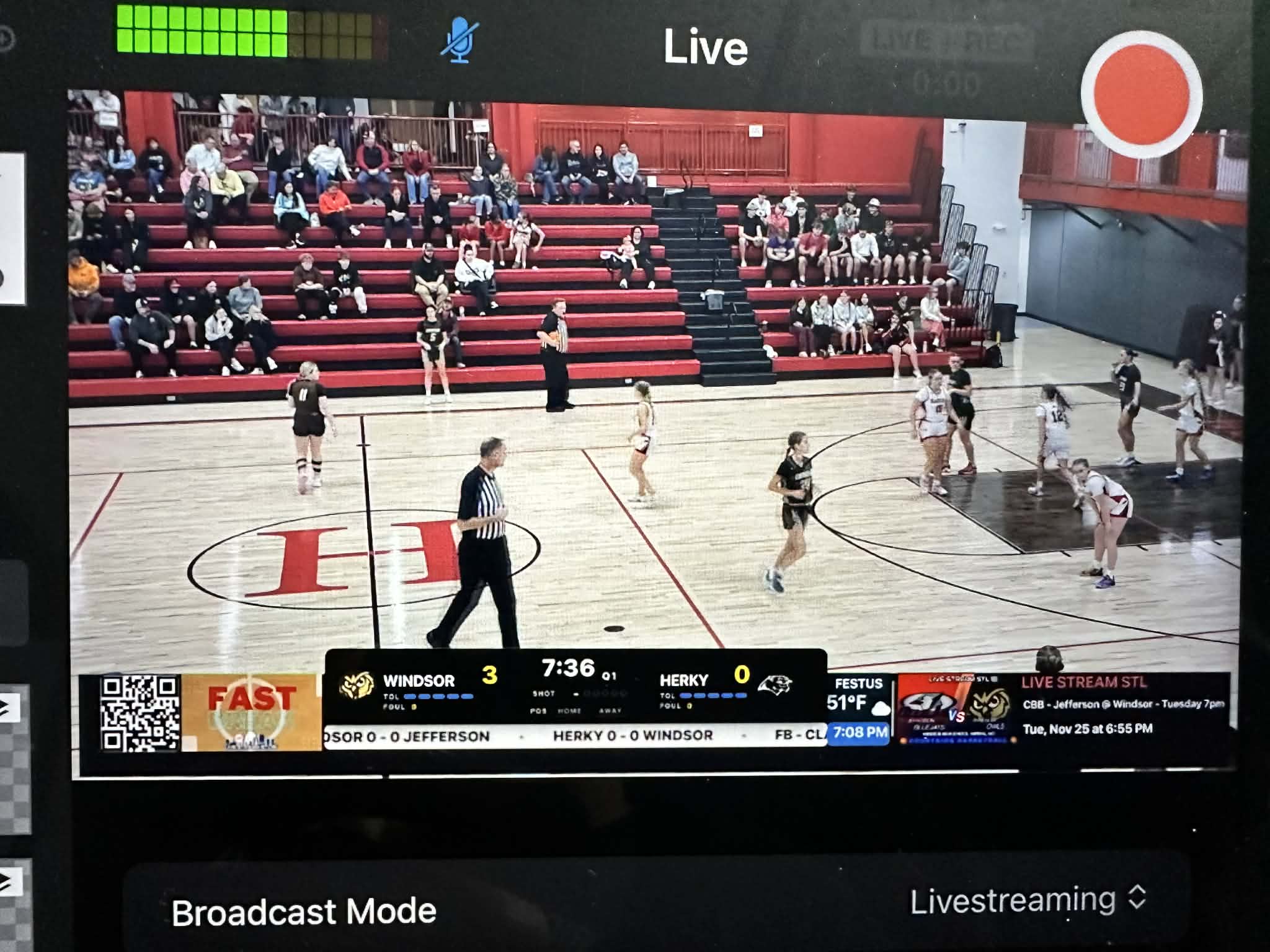
How to fix it: Test the full viewing journey, from choosing a program to watching it on different devices and network connections. Check phones, browsers, tablets, and the smart-TV platforms that matter to your audience. For live broadcasts, rehearse the complete workflow before the event.
A study analyzing millions of video views found that longer startup delays and rebuffering were associated with reduced viewing, underscoring why playback quality deserves attention from day one. Read the study on video stream quality and viewer behavior.
Choose Streaming TV Channel Software that supports your actual distribution needs, not just an attractive launch screen. Consider monitoring, delivery capacity, device compatibility, and support alongside the user interface. TKDS Media offers streaming and restreaming services and OTT app development for businesses building a presence across platforms.
5. Making it hard to find something to watch
Viewers should not have to work to understand what your channel offers. Unclear categories, weak descriptions, inconsistent artwork, and a confusing home screen can bury strong content.
How to fix it: Give every program accurate, consistent information: title, description, category, runtime, episode details, and availability. Use clear artwork and organize the home screen around what matters most to your audience, such as live now, new releases, featured series, or popular programs.
Make it easy to resume watching, find the next episode, or explore related content. Accessibility is part of a strong viewing experience too. The W3C guidance on time-based media covers accessible options such as captions and audio description.
6. Expecting viewers to find you automatically
A channel can be available worldwide and still be difficult to discover. Launching an app is not the same as building an audience. At the same time, trying to launch everywhere at once can add complexity before you know which platforms matter most.
How to fix it: Identify where your audience already watches. Start with a manageable set of priorities: perhaps your website, social platforms, mobile apps, and one or two connected-TV services. Use social clips, email, community partnerships, and event promotion to bring attention to your programming.
Plan the rollout in stages. A focused launch makes it easier to test playback, refine the experience, and support viewers before adding more platforms. TKDS Media can help connect production and distribution through streaming services, OTT apps, and other broadcasting solutions.
7. Tracking downloads instead of channel health
Downloads and sign-ups can look impressive, but they don’t show whether people actually watch, return, or pay. Without useful measurement, it’s difficult to know whether to improve the programming, promotion, playback, or platform experience.

How to fix it: Track a small set of meaningful measures from the start:
- Discovery: Where viewers find your channel.
- Activation: How many start watching after signing up or arriving.
- Engagement: What they watch and how often they return.
- Monetization: Purchases, subscriptions, ad performance, or sponsorship results.
- Quality: Playback errors, buffering, and support requests.
Review the numbers regularly and compare programs, platforms, and audience groups. Use what you learn to improve the next release, event, or promotion. Analytics are most valuable when they guide a clear next step.
Build your channel on a strong foundation
Launching your own TV channel is an opportunity to shape how your audience experiences your content. Start with a focused promise, confirm your rights, choose a suitable revenue model, and make watching simple and reliable. Then promote the channel where your audience is and use real viewing data to keep improving.
TKDS Media brings together streaming technology, live production, sports broadcasting, OTT app development, cloud playout, and radio and podcast services. With end-to-end support from production to distribution, you can build a channel designed to grow.
Ready to launch? Talk with TKDS Media about the right streaming solution for your audience and goals.